When the normal brake does not work, the car is stopped completely by emergency braking. An emergency brake often saves from major accidents and in many cases is also used for vehicle safety. Emergency brakes are an important part of the car. So when we learn to drive we need to know how and when to the emergency brake.
Emergency braking of the vehicle is done mechanically by means of lever and cable. And even if the service brake fails in the car through the emergency brake, it is possible to stop the car completely. When the emergency brake is attached to the car, the brake wires are pulled through the inner lever or load lever which increases the pulling power of the car, and then it passes through an equalizer. Equalizers have two parts that look like the English letter U. The equalizers divide the applied ball into two parts and the two are attached to the rear wheels of his car to conduct energy.
Drum brakes and disc brakes.
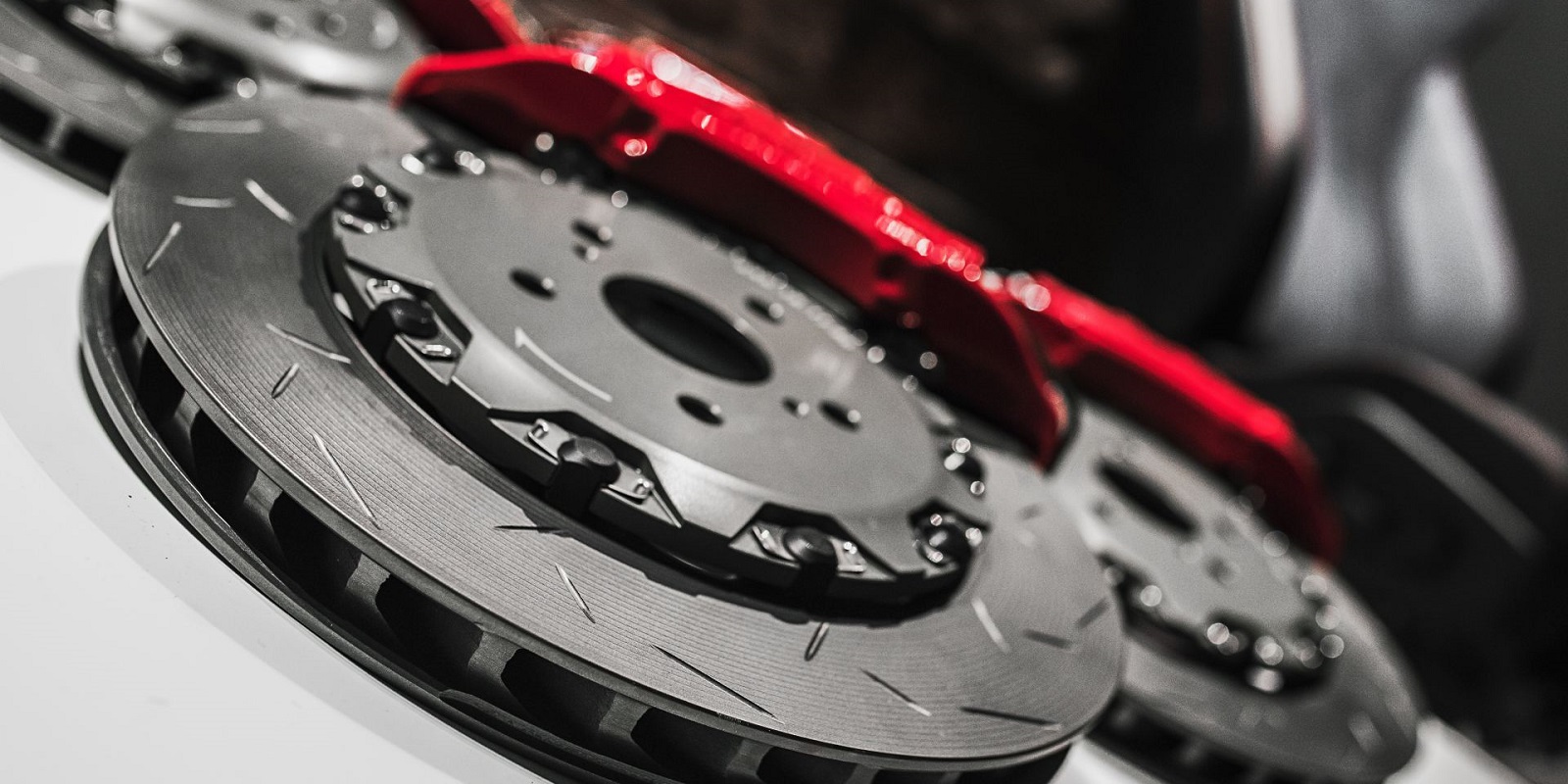
Most vehicles use two types of brakes – drum brakes and disc brakes. Drum brakes are usually attached to the rear wheels of the vehicle and disc brakes to the front wheels. Emergency brake wires run directly along a part of the brake needle. Which goes over the hydraulic brake system. Generally speaking, no separate parts are required to control the emergency brake system.

Vehicles with emergency brakes attached to the rear wheels have a more complex process. Sometimes the entire drum brake system is needed to fully lift the rear rotor. When a vehicle has rear wheel disc brakes without auxiliary drum brakes, a caliper is used to activate the parking brake process. And in this process, an extra lever, corkscrew, is added to the caliper piston. An advanced electric brake system makes proper use of the control system through the computer to keep the brake caliper busy.
Electric brake / E brake.
Electric / e-brakes are currently used in some vehicles. Instead of using a paddle, lever, or console lever to pull the brake wires, an electric motor with a small button is placed on the dash signal. That is why it is said that one should never think of oneself as a car racer and the racer thinks that drifting a car with e-brake is of no use. Driving with an emergency brake can cause many types of damage to the vehicle’s emergency brakes and service. And if you ever have such a problem, you need to check the brakes and rotors to see if everything is in order.
When to use emergency brake?
If the brakes do not fail completely, stopping a moving vehicle completely through the emergency brake is never good for the car and causes serious damage to the car. When the emergency brake is pulled, the lever applies force on the brake to the corkscrew from the reverse side of the caliper piston.
Use of emergency brakes.
Parking brakes are the most commonly used emergency brake. Emergency brakes are used by those who drive on a manual transmission or in an accurate shift when they get out of the car. And if you don’t use the emergency brake, the car can roll over on its own. Usually, those who drive on automatic transmissions are not so accustomed to using emergency brakes.

You can park the car anywhere if you park the car on any hill and keep the emergency brake then your car will be safe. Automatic or standard transmission You can keep any vehicle with an emergency brake in this way. When moving from a car park location, the service brake pedal must be released before the emergency brake can be applied to the automatic transmission. This will take all the weight of the pedal and you can easily remove the car from the park.
Emergency brakes are also used in vehicles for manual transmission. It can prevent a car from reversing if it starts on a hill. Emergency braking when the car is stopped and releasing the brake when releasing the clutch is a kind of trick. But don’t just rely on these tricks, you must practice a lot on car brakes.
The horrors of the emergency brake.
Although the emergency brake wires are covered in a sleeve. However, if there is any rust or damage to the wires, then brake failure can occur. If the emergency brake is always used, then maybe the wires are not damaged, they are in motion. So the emergency brake needs to be checked up regularly. And if necessary, the wires should be tied tightly.
Emergency brake on winter days.
Emergency brake wires freeze in winter. When the lever is off, the brakes cannot be released. So always try to cover the car in the parking area or with a cover. And if you can’t cover the car in winter, then don’t drive the car. Wait a while as a solution. Or try to give hot air to the part of the wire with a hair-dryer. It is best not to use the emergency brake completely in winter. And if your car is moving manually, drive a little back and forth so that you can avoid the e-brake completely.
Sometimes the emergency brake in some cars sticks to the front brake, not the rear. So you have to look at the service manual before driving. You need to know which wheel will take charge of your car and protect your car in the event of an accident. However, rear brakes can be relied on until they become flexible.

That is why it is said that emergency breaks must always be practiced properly. Because people quickly forget to break the emergency. The emergency brake should be applied as hard as you can. If it is not used properly, major accidents can happen.
Finally, the big question remains, can an emergency brake be able to brake safely after a service brake failure? If the brake lever is lifted up slowly without lifting the brake lever too fast, then perhaps the car will slowly come under control. And thus the emergency brake will be able to brake safely even after a service failure.